A Bossier air conditioner replacement isn’t a decision homeowners take lightly. But if you’ve lived in Northwest Louisiana long enough, you know this: summers are no joke. When your Bossier air conditioner starts acting up, it’s not just annoying; it’s urgent.
For a company that has been servicing and replacing HVAC systems for over a decade, we’ve put together this no-fluff guide to help you figure out when it’s time to stop repairing and start replacing. Let’s dive into the biggest red flags that say your Bossier air conditioner is nearing retirement.
Bossier Air Conditioner Replacement: Rooted in Age and Efficienc
Some of the clearest warning signs have nothing to do with a sudden breakdown, they show up slowly, in your system’s age and your monthly bill.
Over 10–15 Years Old? Time Might Be Up
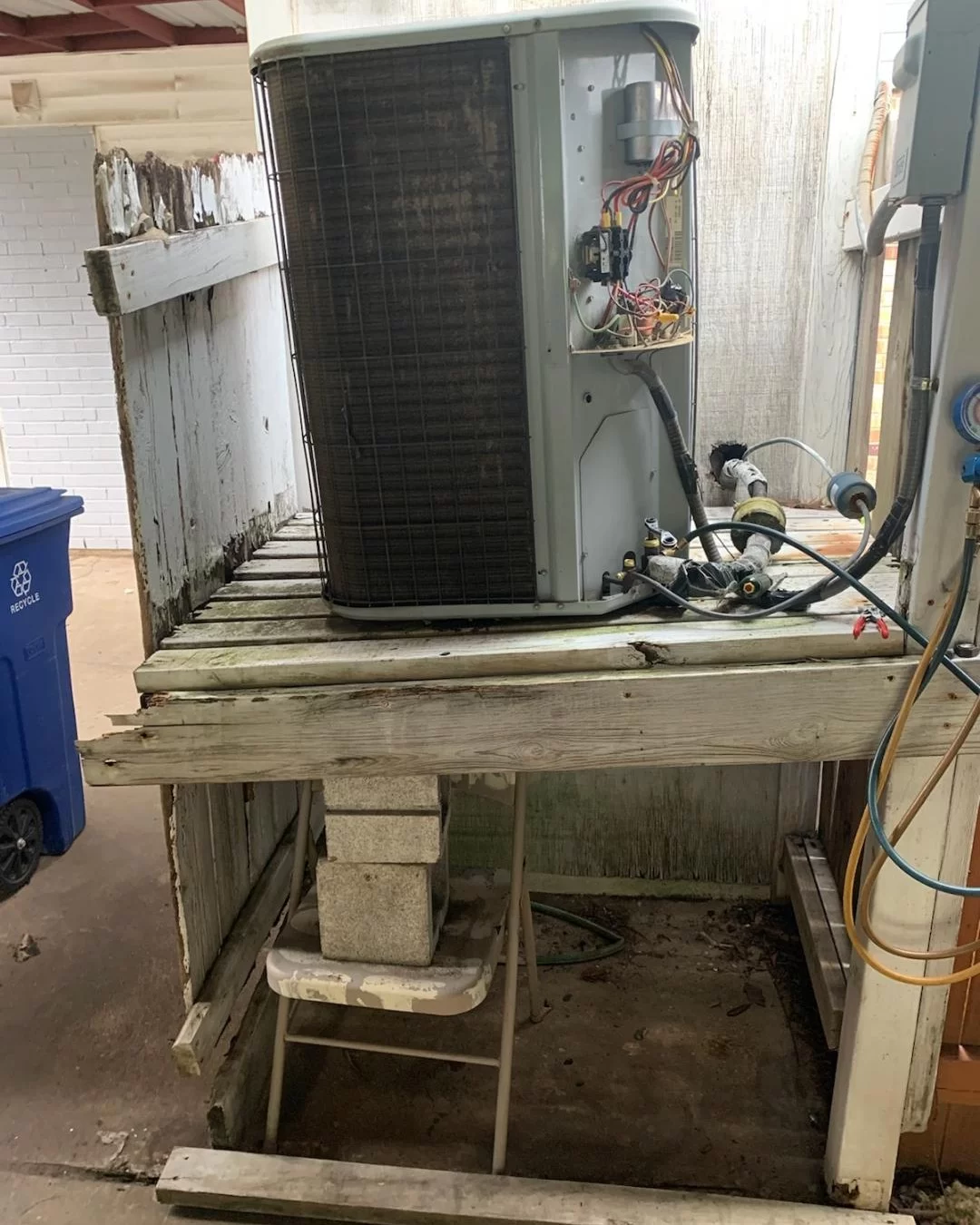
Most residential AC units have a lifespan of about 10 to 15 years if they’ve been properly maintained with regular tune-ups and filter changes. That’s the best-case scenario. Once a Bossier Air Conditioner Replacement creeps past the 12-year mark, it often becomes less reliable, less efficient, and, frankly, more expensive to keep alive.
Why does age matter so much? Well, wear and tear on internal components, like the compressor, evaporator coil, and blower motor, takes a toll.
These parts degrade, corrode, and lose performance. Eventually, your AC starts working harder to produce less cool air. And with that strain comes an avalanche of repairs and rising utility bills.
Moreover, older units often rely on R-22 refrigerant (also called Freon), which has been phased out due to its environmental impact. Not only is R-22 harmful to the ozone layer, but it’s also incredibly expensive to replenish, if you can even find it.
On the flip side, modern air conditioners are designed with energy efficiency in mind. Units with higher SEER (Seasonal Energy Efficiency Ratio) ratings can significantly reduce your monthly energy usage while delivering better cooling performance.
In fact, replacing a 15-year-old unit with a new ENERGY STAR-rated system can cut your cooling costs by up to 40%.
So, if your Bossier air conditioner has been cooling your home since flip phones were a thing, it’s probably time to move on. Upgrading now could prevent a mid-summer breakdown and save you from pouring more money into a system that’s barely hanging on.
Your Energy Bills Are Creeping Higher
If you’ve noticed your energy bills creeping up month after month, your aging air conditioner could be the hidden energy hog. As AC units get older, internal components like the compressor, coils, and fan motors begin to lose efficiency. That means the system has to work harder and run longer to deliver the same level of cooling, especially during Bossier’s brutally hot summers. More runtime equals more electricity, which translates to higher utility costs.
If the system still manages to cool your home, the strain on worn-out parts often leads to wasted energy. Older units also lack the modern technology found in today’s high-efficiency models, like variable-speed motors or smart thermostats, which are designed to reduce energy consumption and improve performance.
If your comfort is dropping while your bills are rising, it’s a strong indicator that your system’s best days are behind it.
Replacing your outdated Bossier air conditioner with a modern, energy-efficient unit can make a significant difference. New systems with higher SEER ratings are engineered to use less power while delivering more consistent cooling. Over time, the savings on your monthly bills can help offset the initial cost of the upgrade, and you’ll enjoy better comfort, quieter operation, and fewer emergency repairs.
Signs Your AC Isn’t Cooling As It Should: Bossier Air Conditioner Replacement
If your system runs but the comfort just isn’t there, these are the signs to watch.
Blowing Warm Air? Your AC Isn’t Doing Its Job
Let’s face it, when you switch on your air conditioner, you expect to feel a refreshing rush of cool air. So, if instead, you’re greeted with warm or room-temperature air blowing through your vents, it’s more than disappointing; it’s a warning sign that something could be seriously off.
Low Refrigerant
One of the most common culprits behind this issue is low refrigerant. Your AC needs refrigerant to absorb heat from your home’s air and cool it effectively. If there’s a leak, the system can’t perform this essential function, leaving you with lukewarm airflow and rising indoor temperatures. Worse yet, refrigerant leaks can cause long-term damage to the compressor, which is one of the most expensive parts of your air conditioner to repair or replace.
A Failing Compressor
Speaking of the compressor, it could also be the problem. This component acts as the “heart” of your cooling system, circulating refrigerant between the evaporator and condenser coils. When the compressor begins to fail or shuts down entirely, the AC may blow warm air, or it may not blow anything at all.
Electrical Issues
Another possibility? Electrical issues. Faulty wiring, broken capacitors, or problems with your thermostat can disrupt communication between components, causing your system to run but without producing cool air. In older systems, these kinds of electrical glitches become increasingly common as wires degrade or connections loosen over time.
A Dirty or Blocked Condenser
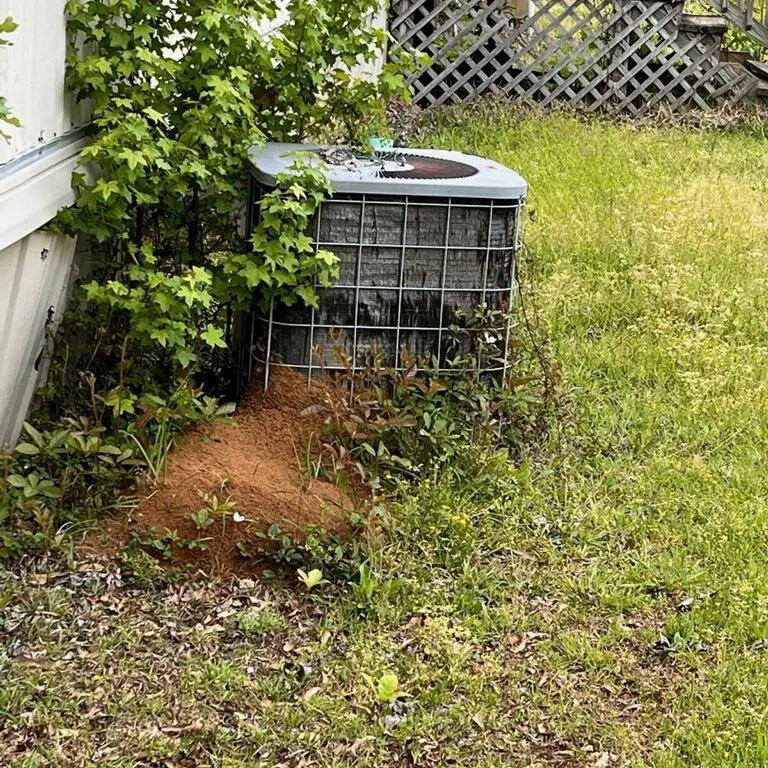
It’s also worth considering your condenser unit, especially if it’s been blocked by debris or hasn’t been cleaned in a while. A dirty or obstructed condenser can’t release heat properly, which means your system struggles to cool the air before pushing it back into your home.
When It’s More Than a Quick Fix
Whatever the cause, warm air isn’t something to brush off or hope will fix itself. If your Bossier air conditioner is no longer producing the chilled comfort you’re used to, you’re likely dealing with a bigger problem than just a dirty filter. Sure, you might be able to get a technician out for a quick patch-up, but if these issues are happening repeatedly, or if your unit is over a decade old, those temporary fixes can become a revolving door of repair bills.
Instead of spending hundreds or even thousands keeping a tired system limping along, it may be time to consider replacing your AC with a newer, more reliable, and energy-efficient model. Not only will you get consistent cooling, but you’ll also save money and eliminate the stress of unexpected breakdowns, especially during Bossier’s hottest months.
Some Rooms Hotter Than Others? It Might Be the AC
If some rooms in your home feel like a sauna while others are icy cold, it’s not just uncomfortable; it’s a sign something is off with your air conditioning system.
Uneven cooling is often caused by aging equipment. Over time, older units lose the strength and efficiency needed to maintain even airflow, especially in larger or multi-story homes.
In some cases, the issue may stem from clogged or leaking ductwork, poor insulation, or even an incorrectly sized system. A unit that’s too small won’t have the power to cool your entire home evenly, while one that’s too large may cool too quickly and shut off before distributing air properly.
Additionally, failing fans, damaged dampers, or old thermostats can all lead to inconsistent temperatures from room to room.
If you’re constantly adjusting vents, running ceiling fans, or keeping doors open just to regulate the temperature, your system is no longer meeting your comfort needs. At some point, upgrading to a newer, properly sized, and more efficient air conditioning system will bring back the comfort you’ve been missing.
Bossier Air Conditioner Replacement: Signs Something’s Mechanically Wrong
These signs point to problems building up inside the system itself.
Frequent Cycling? That’s a Red Flag
If your air conditioner seems to be in a constant loop, turning on for a few minutes, shutting off, then repeating the cycle all day, it’s doing what HVAC pros call “short cycling.” And while it might seem like just a nuisance at first, it’s actually a major warning sign that something’s not right with your Bossier air conditioner.
Your AC is designed to run in consistent, even cycles. It should cool your home to the desired temperature, then shut off and rest until it’s needed again. But when the system starts to short-cycle, it means it’s turning on and off too quickly to complete a full cooling cycle. This results in poor temperature regulation, uneven cooling, and a whole host of other problems.
There are several potential causes.
Thermostat issues can send incorrect signals to your AC, causing it to turn off prematurely or fire back up before necessary; placement matters too, since a thermostat in direct sunlight or near a heat source may not accurately detect room temperature.
So, what’s the big deal about short cycling?
First, it drives your energy bills through the roof. Starting and stopping the compressor over and over uses far more energy than running through proper cooling cycles.
Second, it adds strain to the system, especially the compressor, which is one of the most vital and expensive components of your AC. Repeated short cycles can wear it out much faster than normal, leading to costly repairs or early system failure.
Even if you’ve had the issue “fixed” in the past and it keeps coming back, that’s your system’s way of saying it’s reaching the end of the line. If your Bossier air conditioner has been short-cycling despite multiple service calls, you may be throwing good money after bad.
Unusual Noises? Don’t Drown Them Out
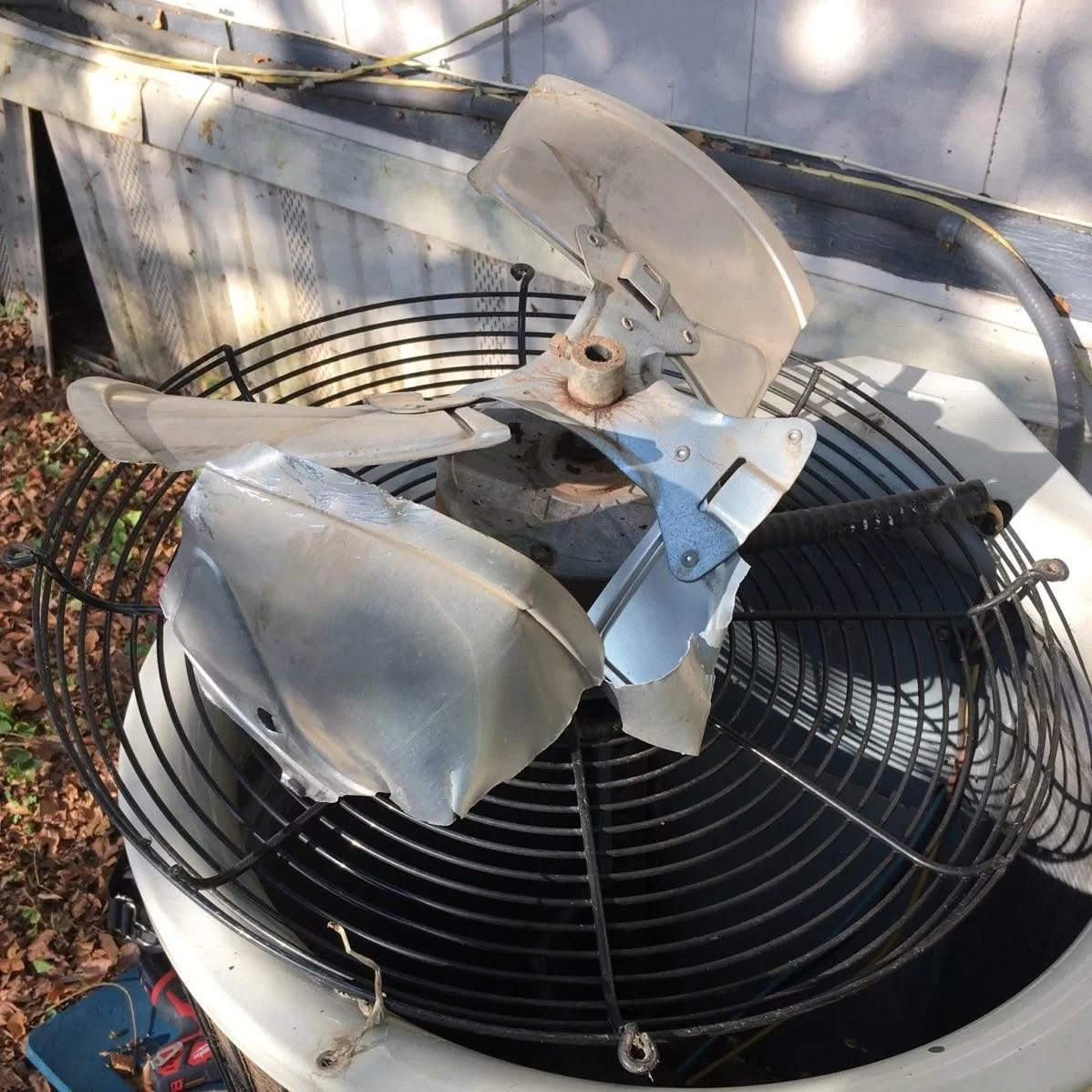
Unusual sounds coming from your air conditioner, like rattling, grinding, buzzing, or screeching, are never part of normal operation. These noises often point to mechanical issues such as a failing fan motor, loose or damaged belts, or a compressor that’s wearing out.
Sometimes it’s as simple as a loose screw or debris caught in the fan blades, but other times, it’s an early warning sign of a system in decline.
A rattling sound might mean parts are coming loose, while grinding can signal that bearings in the motor are shot. Screeching or high-pitched whining could indicate a belt is slipping or a motor is seizing. And if the compressor is the source of the noise?
That’s a much bigger issue.
The compressor is the heart of your cooling system, and repairs or replacements aren’t cheap. While a technician may be able to quiet the noise temporarily, persistent sounds are often symptoms of larger underlying problems.
If your Bossier air conditioner is sounding more like a construction site than a comfort system, don’t ignore it.
In many cases, especially if your unit is over a decade old, those sounds might be telling you it’s time to consider a full system replacement. A new unit will run quietly, efficiently, and won’t keep you up at night wondering what just clunked in the attic.
Signs You Can Smell and Feel in Your Wallet
The last two signs are the ones that hit you where you notice it most: your budget and your nose.
Calling the HVAC Tech Too Often? That Adds Up
All HVAC systems need occasional repairs, but if your air conditioner is breaking down more often than it’s running smoothly, that’s a sign of deeper issues.
Constant service calls for things like refrigerant leaks, capacitor failures, faulty sensors, or electrical glitches indicate your system is no longer reliable. And if your technician recognizes your dog more than your neighbors do, it’s a clear sign your AC has worn out its welcome.
The cost of keeping an old system alive adds up quickly, not just in parts and labor, but in lost time and comfort. As AC units age, replacement parts become more difficult to find, especially for systems that are 10 to 15 years old.
Some manufacturers even discontinue key components, forcing homeowners to pay premium prices or settle for used parts. On top of that, older systems are more complex to service due to wear, which increases labor time and cost.
Eventually, the cost of repairs outweighs the value of the system. If you’re spending hundreds, or thousands, each year to keep your Bossier air conditioner limping along, it’s time to consider replacing it.
A new unit offers not only peace of mind but improved efficiency, lower energy bills, and reliable cooling throughout Louisiana’s long, hot season.
Smelling Something Funky? That’s Not Normal
If your air conditioner is emitting strange or unpleasant smells, it’s more than just an inconvenience. It could be a serious warning sign.
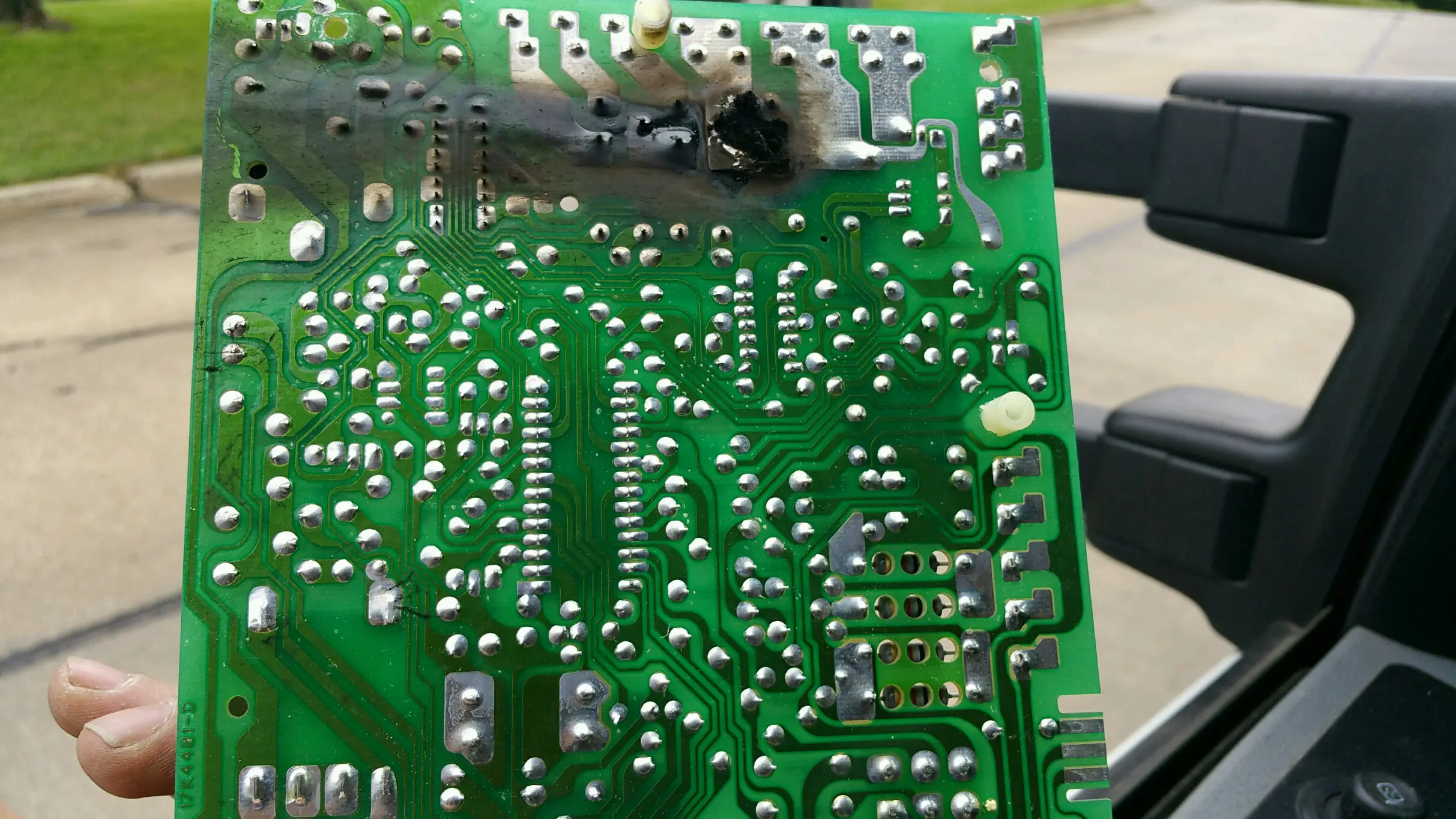
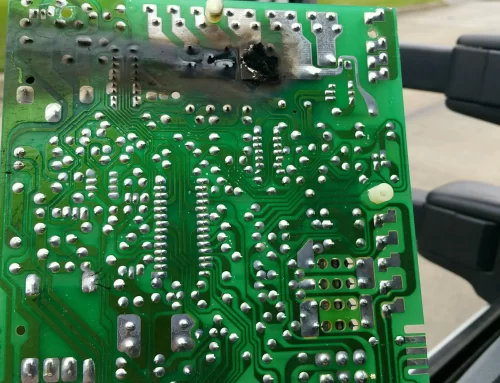
A burning odor, for instance, might indicate that your blower motor is overheating or that electrical components are failing. This kind of issue can lead to electrical fires or permanent damage to the system if not addressed immediately. You should shut the unit off and call a professional as soon as you detect any acrid or smoky smells.
On the other hand, if you’re noticing a musty or moldy scent coming from your vents, you could be dealing with mold growth inside the air handler, ductwork, or evaporator coil. This often happens when your system isn’t dehumidifying properly, a common problem with aging or oversized AC units.
Mold thrives in warm, damp environments, and once it starts growing in your HVAC system, it can quickly spread through your home, circulating spores and contributing to allergy symptoms, respiratory problems, and other health risks.
Unfortunately, no amount of air freshener will solve the root problem. Persistent odors usually point to moisture control issues, system inefficiencies, or internal contamination. If mold or electrical damage is recurring despite cleanings and minor repairs, your Bossier air conditioner might be too far gone.
In that case, replacing the unit can not only restore clean air and comfort but also protect your family’s health and your home’s air quality in the long run.
We Love Serving Our Neighbors

At Advanced AC, we love helping our fellow citizens stay cool and comfortable. We know how demanding local summers can be. We also know how stressful HVAC problems feel when temperatures soar.
That’s why we take pride in honest service, dependable work, and friendly care. We love making people happy by restoring comfort quickly. Nothing beats seeing relief replace frustration.
Our team proudly serves homeowners and families across Bossier, Benton, Haughton, and Shreveport.
Whether you need maintenance, repairs, or expert advice, we are ready to help. When summer starts showing off, Advanced Air Conditioning & Heating is ready to answer.
Related Articles:
What our customers say about us
Ryan and Brian have been excellent on preventive maintenance and fixing the issues with our HVAC system. Between the courtesy and professionalism they bring on every visit, Advanced is our go to and recommendation. They keep the system purring like a kitten and keeping us comfortable.

Advanced air has serviced all of our homes for years! They just came out today to install new air ducts for our remodel, and a new furnace. We will always recommend advanced air! The guys are always extremely friendly and knowledgeable.
Professional, courteous, big hearted group of gentleman at Advanced AC & Heat. Not only did they provide excellent service (thorough, meticulous job) but took the time to right a wrong done on a previous job from a different company. “Above the call of duty”. They have a customer for life and I will recommend them to anyone looking for an honest, reputable AC Heat service company.
Advanced Air was fast, professional and easy to communicate with. I called for a tuneup and somewhat was out a couple of hours later. Sean was professional, nice, attentive and thorough. He looked at something we were having problems with and gave possible problems and solutions and what to do if it did not resolve itself or got worse.
First time using Advanced Air Conditioning and Heating, and to my surprise, I received the best customer service experience ever! Ryan McGee was the technician that serviced my system-and he’s top notch all the way!! Professional, courteous, attentive, and most of all honest. Ryan will be my only tech from this point on… Advanced AC, you have a great team member-keep up the good work.
Colt is a exceptional representative for your company! He kept me informed of all statuses of my HVAC system! So appreciate his concern of not tracking up the floors in my home. It as a rainy day, yet he continued his work. Keep this man on your staff. May God continue to Bless you all!
Best heating and air company i have used since moving to Bossier. I called this morning and they had a service tech out by noon. Brian was very friendly, and upon meeting him, I felt confident that he was going to fix my problem, without running me through the ringer. I feel like I received a more than fair price for the service and my problem was fixed. I will continue to use Advance Air Conditioning & Heat for all my heating and air needs in the future. I will definitely recommend them to my friends,family,and neighbors. You will not be disappointed with this company!!
Good morning this is Letha Goolsby at 5331 Hollyhock Lane Bossier City Louisiana Count Oswalt technician with your company has done a very fine job for me this morning he’s very courteous at tentative and polite can’t say enough good things about him he assisted me last year and this year also. so I know him somewhat and Looking to see him come back for all my visits and problems. Thank you. look forward to seeing him again this fall for my second visit. I would definitely keep him on the team. He goes above and beyond by helping me move things that I can’t anymore. He is a very nice Christian man.
My service Technician Caleb has been my tech for some time now. Upon arrival, he went right where my ac unit is located and kindly pat my barking dogs and started to work…he was fast, courteous and efficient. Thank you for your professionalism.
Fixed everything I asked and things I didn’t know about. Took the time to answer my questions politely and honestly. 10/10.

Trane Comfort Specialist
Advanced Air Conditioning and Heating is a Trane Comfort Specialist-an independent Trane dealer of the highest standing, committed to being the best in every aspect of its business, from installation and service to customer satisfaction and employee training.
Not every dealer qualifies as a Trane Comfort Specialist, but rather only those that meet Trane’s stringent standards and demonstrates a commitment to customer satisfaction and continued education. We are committed to keeping up to date with Trane’s latest technology, ensuring that you receive a system that is designed to achieve maximum efficiency, reliability and comfort-and a system that delivers the efficiency ratings promised and you expect.